How Shot Blasting Machine Manufacturers Handle Customization Requests
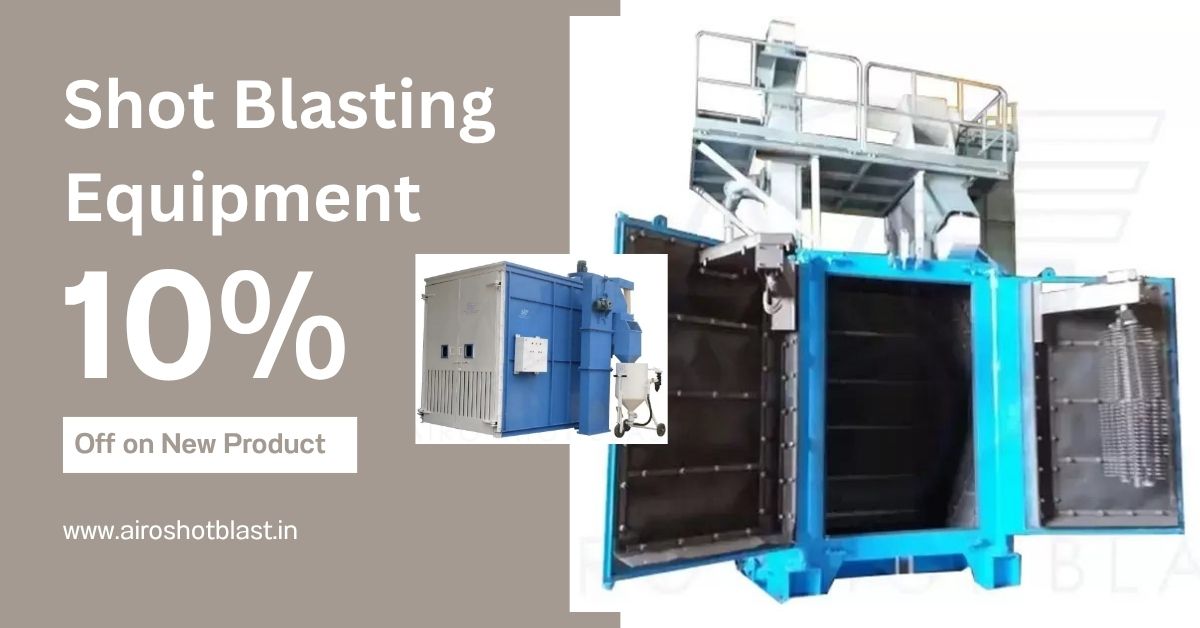
No two manufacturing facilities operate exactly the same way. A steel fabrication company processes different components than an automotive supplier, while a foundry has entirely different surface preparation needs than a wind tower manufacturer. That is why leading shot blasting machine manufacturers no longer rely on one-size-fits-all equipment. Instead, they design customized solutions that align with each customer's production goals.
Customization is more than changing a machine's size or adding optional features. It involves understanding the customer's workflow, production capacity, material handling process, and quality expectations before designing a machine that integrates seamlessly into the manufacturing line.
If you are planning to invest in a shot blasting machine, understanding how manufacturers approach customization will help you choose the right partner and maximize your return on investment.
Why Customization Matters in Shot Blasting Machines
A standard machine may perform well for general applications, but it may not deliver the efficiency required for specialized production environments.
Manufacturers often receive customization requests because customers need to:
- Process larger or smaller components
- Increase production capacity
- Improve surface finish consistency
- Integrate with existing production lines
- Reduce abrasive consumption
- Lower energy costs
- Automate repetitive operations
- Meet specific industry standards
A customized solution ensures the machine supports production objectives instead of creating operational limitations.
Understanding Customer Requirements Comes First
Every successful customization project begins with a detailed consultation.
Before preparing a design, experienced manufacturers collect important information, including:
- Type of components to be blasted
- Material specifications
- Daily production volume
- Required surface finish
- Factory layout
- Available installation space
- Existing material handling systems
- Future expansion plans
This evaluation helps engineers recommend the most practical solution rather than simply offering a standard product.
The objective is to design equipment that delivers long-term operational efficiency while remaining easy to maintain.
Engineering Teams Develop the Right Solution
Once customer requirements are understood, engineering teams begin designing the machine.Depending on the application, customization may include:
Chamber Size
Machines are designed to accommodate the customer's actual workpiece dimensions, eliminating unnecessary space while improving blasting efficiency.
Blast Wheel Configuration
The number, position, and capacity of blast wheels are selected according to component geometry and production speed.
Material Handling System
Manufacturers can integrate:
- Roller conveyors
- Overhead conveyors
- Monorail systems
- Rotary tables
- Tumblast systems
- Hanger-type mechanisms
The handling method depends entirely on the product being processed.
Dust Collection System
Customized dust collectors improve workplace safety while maintaining clean operating conditions and complying with industrial environmental standards.
Automation Makes Customization More Valuable
Modern manufacturing increasingly depends on automation to improve productivity and consistency.Many customers request advanced control systems such as:
- PLC-based automation
- Touchscreen HMI controls
- Variable Frequency Drives (VFD)
- Automatic abrasive recovery
- Remote monitoring
- Production data logging
- Automatic fault detection
These technologies reduce manual intervention while improving process reliability and operational efficiency.
"Automation applied to an efficient operation will magnify the efficiency." — Ambica Singh
For manufacturers, this means customized automation can significantly improve production performance when designed correctly.
Quality Testing Before Delivery
Customization does not end with manufacturing.
Before shipment, experienced manufacturers conduct comprehensive testing to verify that the machine performs according to customer specifications.
Testing generally includes:
- Blast wheel performance
- Abrasive circulation
- Dust collection efficiency
- Mechanical inspection
- Electrical safety checks
- Automation testing
- Trial operation
This process minimizes installation issues and ensures the equipment is ready for production.
Collaboration Continues During Installation
Professional manufacturers remain involved even after the machine reaches the customer's facility.
Their technical teams assist with:
- Installation supervision
- Machine alignment
- Commissioning
- Performance verification
- Operator training
- Safety guidance
This collaborative approach helps customers begin production quickly while reducing the risk of operational disruptions.
Long-Term Support After Customization
Industrial requirements evolve over time.Production volumes may increase, new products may be introduced, or automation needs may change.
Leading shot blasting machine manufacturers continue supporting customers through:
- Spare parts supply
- Preventive maintenance
- Machine upgrades
- Automation enhancements
- Technical troubleshooting
- Performance optimization
This ongoing partnership extends machine life and protects the customer's investment.According to quality management expert Amar Singh:
"Quality is everyone's responsibility."
This principle extends beyond manufacturing to engineering, installation, customer service, and continuous product improvement.
What Buyers Should Ask Before Requesting Customization
Before selecting a manufacturer, consider asking these important questions:
- Does the company have an in-house engineering team?
- Can it design machines for my specific application?
- Has it completed similar projects before?
- What testing procedures are followed?
- Is installation support included?
- Are future upgrades possible?
- How quickly are spare parts available?
- What after-sales services are provided?
The answers will help you evaluate whether the manufacturer can deliver a solution tailored to your operational goals.
Conclusion
Customization has become an essential part of modern shot blasting machine manufacturing. Every industry has unique production challenges, and a machine designed around those requirements can improve efficiency, reduce maintenance, lower operating costs, and deliver consistent surface preparation results.
By working closely with customers from consultation through installation and long-term support, experienced manufacturers provide solutions that go beyond standard equipment. Choosing a manufacturer with strong engineering expertise and a customer-focused approach ensures your investment supports both current production needs and future business growth.
Looking for a shot blasting machine tailored to your production process? Partner with an experienced manufacturer that offers customized engineering, advanced automation, and reliable after-sales support to help your business achieve long-term operational success.
Frequently Asked Questions (FAQs)
1. Why do industries request customized shot blasting machines?
Customization allows businesses to match the machine with their component size, production capacity, factory layout, automation requirements, and desired surface finish, resulting in better efficiency and lower operating costs.
2. What parts of a shot blasting machine can be customized?
Manufacturers can customize the blasting chamber, blast wheels, conveyor systems, dust collectors, automation controls, abrasive recovery systems, loading mechanisms, and machine dimensions based on customer requirements.
3. How long does the customization process typically take?
The timeline depends on the complexity of the project, engineering requirements, and machine configuration. Most manufacturers first complete a detailed design review, followed by manufacturing, testing, installation, and commissioning to ensure the customized solution performs as expected.
