Shot Blasting Machine in India for Heavy Fabrication: Key Applications
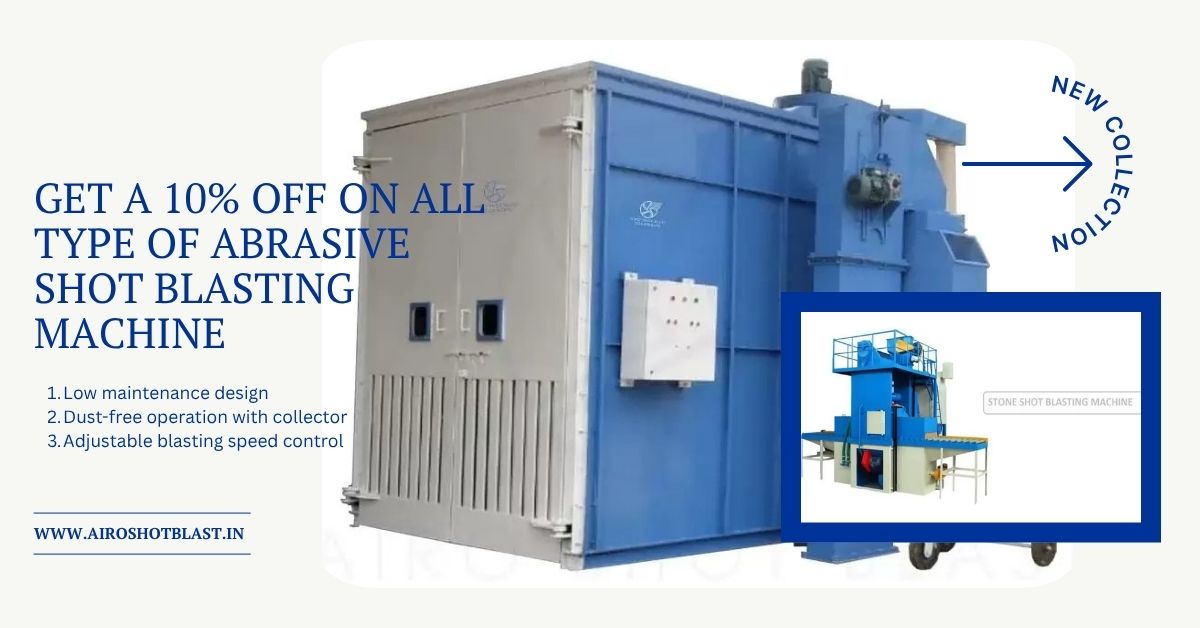
Walk into any heavy fabrication yard, and you'll notice something immediately: nothing gets painted, welded, or shipped until it's been blasted clean first. That's not routine housekeeping. It's a critical process step that determines whether the final product holds up.
India's heavy fabrication sector—spanning structural steel, pressure vessels, and industrial equipment—depends heavily on shot blasting to meet quality benchmarks that clients and regulatory bodies demand.
Why Heavy Fabrication Can't Skip This Step
Heavy fabricated components often start as raw or semi-finished steel carrying mill scale, rust, and surface contaminants. None of that is acceptable before welding or coating.
"Fabrication clients today expect documentation for every surface preparation stage," explains a project manager at a structural steel fabrication company supplying to Indian infrastructure projects. "Without proper blasting, you simply can't meet the surface cleanliness grades specified in most contracts."
This is where shot blasting machines become indispensable rather than optional equipment.
Core Applications in Heavy Fabrication
Structural Steel Preparation
Beams, columns, and trusses used in bridges, buildings, and industrial sheds require clean surfaces before primer application. Shot blasting removes scale and rust, achieving the SA 2.5 cleanliness standard commonly specified in structural contracts.
Pressure Vessel and Tank Fabrication
Pressure vessels demand exceptionally clean surfaces before welding and coating, since any contamination can compromise weld integrity or coating adhesion. Shot blasting ensures consistent surface profiles that meet stringent industry codes.
Pipeline and Piping Systems
Large-diameter pipes used in oil, gas, and water infrastructure projects require internal and external blasting before protective coating application. This prevents premature corrosion in buried or submerged pipeline sections.
Railway and Wagon Component Fabrication
Railway coach frames, wagon bodies, and undercarriage components go through shot blasting to prepare surfaces for heavy-duty industrial coatings designed to withstand years of outdoor exposure.
Heavy Machinery and Equipment Bodies
Construction equipment frames, crane structures, and industrial machinery housings rely on shot blasting for both corrosion protection and improved weld preparation before assembly.
Machine Types Commonly Used in Heavy Fabrication
Different fabrication needs call for different blasting configurations.
- Roller conveyor machines handle flat plates and structural sections efficiently, offering continuous processing for high-volume operations.
- Hanger type machines work well for irregularly shaped components like machinery frames or vessel heads.
- Portable blasting units are often used on-site for large structures that can't be transported to a fixed facility.
"For large fabrication yards, machine selection depends entirely on component geometry and throughput requirements," notes a technical consultant who advises fabrication units across western India. "A facility handling pressure vessels needs completely different equipment than one processing structural beams."
See More - https://www.linkedin.com/pulse/shot-blasting-machine-manufacturer-haryana-faridabads-india-cf9dc
Quality Standards Heavy Fabrication Must Meet
Indian heavy fabrication projects, especially those tied to infrastructure or export contracts, typically require compliance with recognized standards:
- SA 2.5 or SA 3 surface cleanliness grades (Swedish Standard)
- Surface roughness profile (Ra value) matching coating specifications
- Documented blasting reports for quality audits
- Compliance with client-specific technical specifications
Meeting these standards consistently requires calibrated equipment and trained operators who understand fabrication-specific requirements.
Common Challenges Fabricators Face
Heavy fabrication units often encounter specific blasting challenges:
- Handling oversized components that don't fit standard chamber sizes
- Maintaining consistent finish across complex geometries with multiple weld joints
- Managing abrasive media consumption for high-volume, continuous operations
- Balancing production speed with surface quality requirements
Addressing these challenges usually means investing in the right combination of machine type, abrasive media, and operator training.
What Fabrication Units Should Consider Before Buying
Selecting shot blasting equipment for heavy fabrication isn't a one-size-fits-all decision. Key factors include:
- Maximum component size and weight the machine can handle
- Throughput requirements based on production volume
- Availability of local technical support and spare parts
- Manufacturer's experience with similar heavy fabrication clients
Final Thoughts
Shot blasting machines have become foundational equipment for India's heavy fabrication industry. From structural steel to pressure vessels, this process determines whether components meet the surface quality standards that clients and regulations demand.
Running a heavy fabrication operation? Consult with a shot blasting equipment specialist to match machine capability with your specific component sizes and surface finish requirements.
Frequently Asked Questions
1. What surface cleanliness standard is typically required for structural steel?
Most structural steel contracts specify SA 2.5 cleanliness grade, though some critical applications may require SA 3 for higher purity.
2. Can shot blasting handle very large fabricated components?
Yes, though oversized components often require portable blasting units or specialized hanger-type machines designed for large geometries.
3. Why is shot blasting important before welding?
Clean, contaminant-free surfaces improve weld quality and reduce the risk of defects like porosity or poor fusion.
4. How does shot blasting benefit pipeline fabrication?
It prepares both internal and external pipe surfaces for coating application, which helps prevent corrosion in buried or submerged installations.
5. What factors should fabrication units consider when choosing a shot blasting machine?
Component size, production throughput, local technical support availability, and the manufacturer's experience with similar industrial applications all matter significantly.
