Shot Blasting Machine Price for Construction Equipment Manufacturers
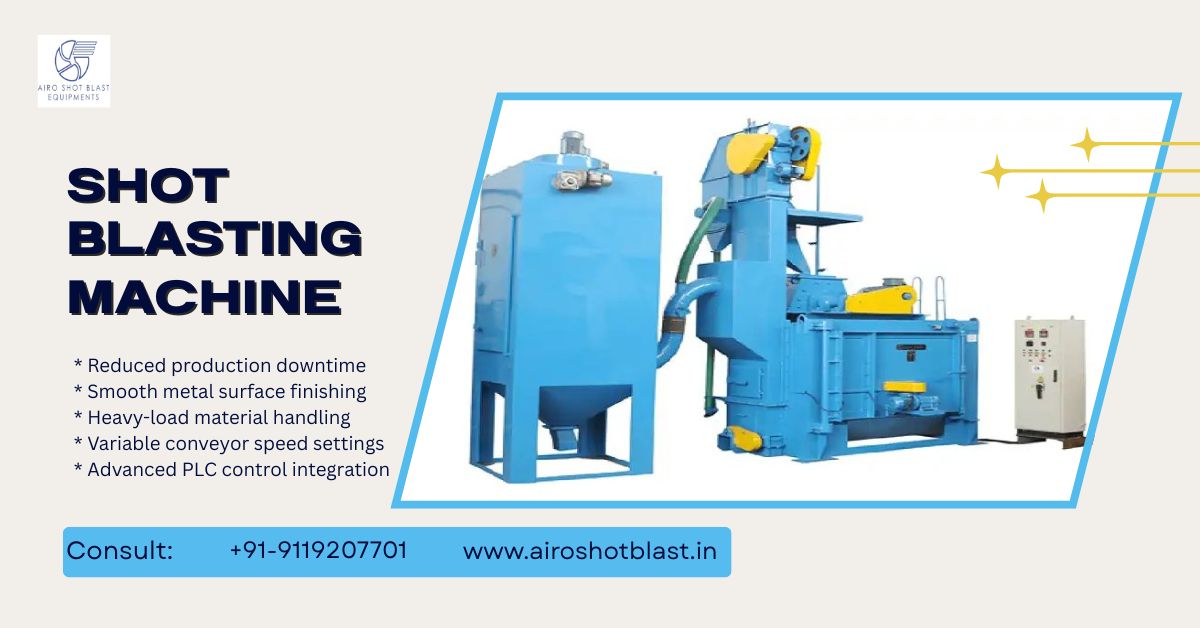
Investing in the Right Shot Blasting Machine Starts with Understanding the Price
Construction equipment manufacturers know that durability begins with proper surface preparation. Whether producing excavator buckets, crane components, loaders, road construction machinery, or structural steel parts, a clean metal surface is essential before painting or coating.
When searching for a shot blasting machine, many buyers focus on price alone. However, the best investment is not always the lowest-priced machine. Understanding what influences the cost helps manufacturers select equipment that delivers long-term performance, lower operating costs, and consistent product quality.
"The true cost of industrial machinery is measured by its productivity, reliability, and service life—not simply its purchase price." — Jai Singh
What Determines the Price of a Shot Blasting Machine?
Shot blasting machine prices vary depending on several technical and operational factors. Knowing these factors helps buyers make informed purchasing decisions.
Machine Type
Different applications require different machines. Portable, hanger type, tumble belt, cabinet, and roller conveyor shot blasting machines are designed for specific workpieces and production requirements.
Production Capacity
Manufacturers producing high volumes of construction equipment typically require larger machines with higher throughput. Greater capacity generally results in a higher initial investment but improves long-term productivity.
Automation Features
Machines equipped with PLC controls, automatic abrasive recovery systems, and conveyor-based operations improve efficiency while reducing manual labour.
Build Quality
Heavy-duty construction, wear-resistant components, and high-quality blast wheels increase durability and reduce maintenance expenses over time.
Why Construction Equipment Manufacturers Need Shot Blasting
Construction machinery operates in demanding environments where corrosion resistance and coating performance are critical.
Shot blasting prepares metal surfaces by removing:
- Rust
- Mill scale
- Welding residue
- Old paint
- Surface contaminants
This creates an ideal profile for paint, powder coating, and protective finishes, helping equipment withstand harsh weather and heavy-duty applications.
The result is improved product quality and longer equipment life.
Key Factors to Consider Before Buying
Choosing the right machine involves more than comparing prices.
Match the Machine to Your Production
Evaluate the size, weight, and quantity of components processed daily. The machine should support both current production and future business growth.
Evaluate Operating Costs
Energy consumption, abrasive usage, maintenance requirements, and spare parts availability contribute to the total cost of ownership.
Check After-Sales Support
Reliable technical assistance, installation support, operator training, and readily available spare parts help reduce downtime.
Prioritize Safety and Compliance
Modern machines with efficient dust collection systems and operator-friendly controls improve workplace safety while supporting cleaner production environments.
Price vs. Long-Term Value
A lower-priced machine may seem attractive initially, but frequent repairs, higher electricity consumption, and reduced productivity can increase operating costs.
A quality shot blasting machine offers:
- Consistent surface finishing
- Faster production cycles
- Reduced rework
- Longer machine life
- Better coating adhesion
- Lower maintenance expenses
For manufacturers supplying construction equipment to domestic or export markets, consistent quality often provides a stronger return on investment than simply choosing the cheapest option.
Article Summary
For construction equipment manufacturers, a shot blasting machine is more than a production asset—it is an investment in quality, efficiency, and customer satisfaction.
Instead of focusing only on the purchase price, evaluate machine performance, production capacity, operating costs, service support, and long-term reliability. A well-chosen machine helps improve productivity while reducing maintenance and coating failures.
Planning to invest in a shot blasting machine? Compare technical specifications, assess your production requirements, and partner with a trusted manufacturer that offers dependable after-sales service and reliable engineering support.
Frequently Asked Questions
1. What affects the price of a shot blasting machine?
Machine type, production capacity, automation level, build quality, dust collection system, and additional features all influence the overall price.
2. Why do construction equipment manufacturers use shot blasting machines?
They prepare metal surfaces by removing rust, scale, and contaminants, ensuring stronger paint adhesion, improved corrosion resistance, and a longer service life.
3. Is a higher-priced shot blasting machine worth the investment?
In many cases, yes. A durable, energy-efficient machine with reliable support can reduce operating costs and improve productivity over its lifetime.
4. What should buyers compare before purchasing?
Compare production capacity, operating costs, automation features, maintenance requirements, spare parts availability, warranty, and after-sales support—not just the initial purchase price.