Shot Blasting Machine with PLC Automation: Should You Upgrade
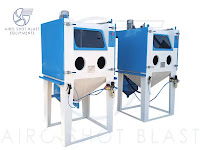
Is a Shot Blasting Machine with PLC Automation worth the investment? Explore benefits, costs, ROI, use cases, FAQs, and expert insights to decide whether you should upgrade today.
Introduction
Automation isn’t knocking anymore—it’s already inside the workshop, boots on the floor, changing how surface treatment is done. From foundries and fabrication units to automotive and infrastructure plants, manufacturers are under constant pressure to improve consistency, reduce downtime, and keep costs under control. Somewhere in the middle of all this sits a critical question: Shot Blasting Machine with PLC Automation: Should You Upgrade?
At first glance, PLC automation may seem like an expensive add-on, something reserved for large-scale operations. But dig a little deeper, and you’ll realize it’s not just about automation—it’s about control, predictability, repeatability, and long-term efficiency. And let’s be honest, manual adjustments and operator dependency can only take you so far.
So, let’s break it down—plain English, technical clarity, and zero fluff. By the end of this article, you’ll know exactly whether upgrading to a PLC-controlled shot blasting machine makes sense for your operation or not.
Also Check - Shot Blasting Machine Manufacturers, Shot Blasting Machine Price in India, Shot Blasting Machine Manufacturers in India, Shot Blasting Machine Price
What Is a Shot Blasting Machine with PLC Automation?
Before deciding whether to upgrade, it helps to understand what you’re actually upgrading to. A shot blasting machine with PLC automation integrates a Programmable Logic Controller (PLC) into the blasting system. Instead of manually controlling blast wheels, conveyor speed, abrasive flow, cycle time, and safety interlocks, the PLC does the heavy lifting—precisely, repeatedly, and without second-guessing.
Core Components Controlled by PLC
- Blast wheel operation and sequencing
- Conveyor or hanger movement
- Abrasive flow rate
- Cycle timing and process logic
- Safety interlocks and alarms
- Emergency stop and fault diagnostics
In short, the machine thinks before it acts. And yes, that’s a big deal.
Why PLC Automation Is Gaining Momentum in Shot Blasting
Here’s the thing—manual systems work… until they don’t. Inconsistent finishes, rework, abrasive wastage, and dependency on skilled operators often creep in unnoticed. PLC automation addresses these issues head-on.
Website -https://www.airoshotblast.in/https://www.shotblastingmachines.in/shot-blasting-machinehttps://www.sandblastingmachine.in/shot-blasting-machine/shot-blasting-machinehttps://www.sandblast.in/product/shot-blasting-machine-manufacturershttps://www.shotblast.in/
Key Industry Drivers
- Rising labor costs
- Need for consistent surface quality
- Increased safety compliance requirements
- Demand for traceability and repeatable processes
- Pressure to reduce downtime
It’s not hype. It’s necessity.
Shot Blasting Machine with PLC Automation: Should You Upgrade? Let’s Analyze the Benefits
1. Consistent Surface Finish (Every. Single. Time.)
Manual blasting depends heavily on operator judgment. One shift does it differently from another—no surprises there. PLC automation eliminates guesswork.
- Pre-set blasting parameters
- Uniform exposure time
- Controlled abrasive flow
The result? Predictable, repeatable surface quality that meets inspection standards without rework.
See more - https://amarsingh.alboompro.com/post/energy-efficient-shot-blasting-machine-in-india-cost-vs-savings
2. Reduced Human Error (Because Mistakes Happen)
Even the best operators have off days. PLC systems don’t.
- Automated sequencing prevents incorrect operations
- Built-in interlocks avoid unsafe actions
- Alarm systems flag abnormalities instantly
Less error means fewer damaged components and smoother operations overall.
3. Higher Throughput Without Rushing the Process
Automation doesn’t mean speeding things up blindly. It means optimizing cycle times without compromising quality.
- Balanced blast intensity
- Optimized conveyor speeds
- Reduced idle time between cycles
Over time, this translates into higher output with the same infrastructure. That’s efficiency, not chaos.
4. Improved Safety Standards
Safety isn’t optional anymore—it’s regulated, audited, and scrutinized.
PLC-controlled shot blasting machines offer:
- Emergency stop integration
- Door interlocks
- Fault detection and shutdown logic
- Reduced operator exposure to blasting zones
Simply put, fewer accidents, fewer stoppages, fewer compliance headaches.
5. Lower Long-Term Operating Costs
Yes, PLC systems cost more upfront. But here’s the kicker—they often pay for themselves.
- Reduced abrasive wastage
- Less rework
- Lower maintenance due to controlled operation
- Reduced dependency on highly skilled operators
Over a few years, the numbers start to tell a convincing story.
Common Myths About PLC Automation (Let’s Clear the Air)
“PLC Automation Is Only for Big Factories”
Not anymore. Modular PLC systems now suit small and mid-sized workshops just fine.
“It’s Too Complicated to Operate”
Modern HMIs are intuitive—touchscreen, menu-driven, and user-friendly.
“Maintenance Will Be a Nightmare”
On the contrary, diagnostics become easier with fault codes and alerts.
Funny how myths fall apart once you look closely, right?
When Does Upgrading Make Absolute Sense?
You don’t upgrade just because it’s trendy. You upgrade when it solves real problems.
Consider PLC Automation If:
- You’re facing inconsistent blasting results
- Rework and rejection rates are rising
- Operator dependency is affecting output
- You want traceable, repeatable processes
- Safety audits are becoming stricter
If you nodded at more than two of these, upgrading deserves serious thought.
Industries That Benefit the Most from PLC-Based Shot Blasting
Foundries
Consistent descaling and sand removal are non-negotiable here.
Automotive & Auto Components
Surface preparation before coating demands precision.
Structural Steel & Fabrication
Uniform blast profiles improve coating adhesion and durability.
Aerospace & Heavy Engineering
Zero tolerance for surface defects—PLC automation fits perfectly.
Shot Blasting Machine with PLC Automation: Should You Upgrade? A Cost vs Value Perspective
Let’s talk money—because pretending cost doesn’t matter would be naïve.
Initial Investment
- Higher than manual systems
- Includes PLC, HMI, sensors, wiring, and programming
Long-Term Value
- Lower operational losses
- Higher productivity
- Reduced downtime
- Improved quality control
Think of it less as an expense and more as process insurance. It protects your output, your reputation, and your margins.
Integration with Existing Systems
Worried about compatibility? Don’t be.
Modern PLC systems can integrate with:
- Existing conveyors
- Dust collection units
- ERP or MES systems
- Data logging and monitoring tools
Upgrading doesn’t always mean starting from scratch. Retrofitting is often possible—and cost-effective.
Data, Diagnostics, and the Power of Insight
Here’s where things get interesting.
PLC automation enables:
- Cycle data logging
- Performance monitoring
- Predictive maintenance alerts
- Process optimization over time
You’re not just blasting anymore—you’re analyzing, improving, and refining.
Challenges to Be Aware Of (No Sugarcoating)
Nothing’s perfect. Let’s be realistic.
Potential Challenges
- Higher upfront cost
- Need for basic PLC training
- Dependence on proper programming
- Quality of automation depends on manufacturer expertise
The solution? Choose an experienced shot blasting machine manufacturer with proven PLC integration capability. That decision alone solves half the problem.
FAQs: Shot Blasting Machine with PLC Automation
1. Is PLC automation suitable for small workshops?
Yes, especially if consistency and quality matter to your customers.
2. Can PLC automation reduce abrasive consumption?
Absolutely. Controlled flow means less waste and better efficiency.
3. Does PLC automation require highly skilled operators?
No. Operators need basic training, not advanced programming skills.
4. Can I retrofit PLC automation to my existing machine?
In many cases, yes—subject to mechanical compatibility.
5. How long does it take to see ROI?
Typically within 12–24 months, depending on usage and scale.
Read More - https://airoshotblastequipments.hashnode.space/default-guide/v1.0?t=1769427871261
Future-Proofing Your Surface Treatment Process
Let’s zoom out for a moment.
Manufacturing is heading toward:
- Smart factories
- Data-driven decisions
- Automation-first workflows
A shot blasting machine with PLC automation isn’t just an upgrade—it’s a step toward future readiness. While others struggle with manual inefficiencies, automated operations quietly move ahead.
Shot Blasting Machine with PLC Automation: Should You Upgrade? Final Verdict
So, after all the analysis, here’s the honest answer:
If you value consistency, safety, efficiency, and scalability, upgrading makes sense. If your operation relies on repeatable quality and predictable output, PLC automation isn’t optional—it’s inevitable.
Sure, the initial investment may sting a little. But over time, the benefits compound. Reduced rework. Better finishes. Happier customers. Smoother audits. Lower stress on the shop floor.And honestly—once you experience controlled automation, going back feels like stepping into the past.
Conclusion
The debate around Shot Blasting Machine with PLC Automation: Should You Upgrade? isn’t about technology—it’s about mindset. Are you optimizing for today’s comfort or tomorrow’s competitiveness?
Automation doesn’t replace expertise; it amplifies it. It removes chaos, adds clarity, and delivers results you can rely on. Whether you’re a growing workshop or an established industrial player, PLC automation offers a strategic edge that’s hard to ignore.
Sometimes, upgrading isn’t about chasing trends. It’s about staying relevant.
And in today’s manufacturing landscape, relevance is everything.
