Shot Blasting Technology Transforming Industrial Production
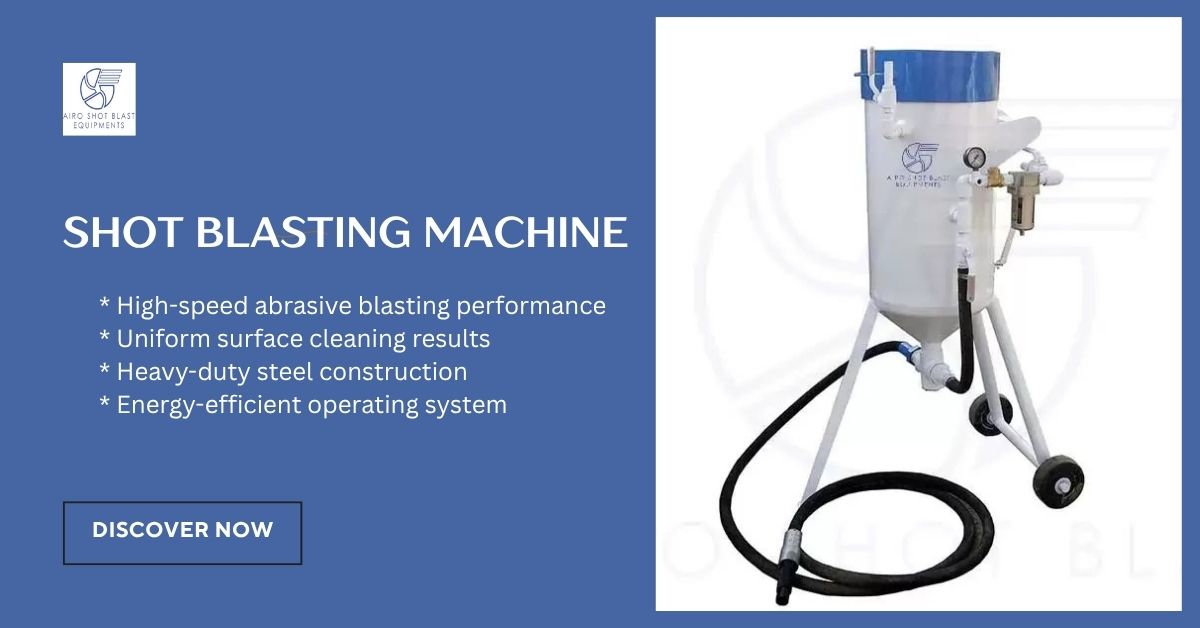
Ten years ago, shot blasting meant one operator, a manual cabinet, and a lot of guesswork. Today, a single machine can track its own wear, adjust its own abrasive flow, and flag a defect before a human even walks over to look.
That shift didn't happen overnight. But it's changing how factories think about surface finishing — from a background chore to a measurable, data-driven process.
What's Actually Changed in Shot Blasting Technology?
The core physics hasn't changed. Abrasive particles still strike a surface at high speed to clean and texture it. What's changed is everything around that process — sensors, automation, and control systems that used to exist only in premium, imported equipment.
Now, mid-sized Indian manufacturers are adopting the same tools once limited to large export-focused plants.
Why Is This Shift Happening Now?
Three pressures are pushing the change at once:
- Rising labour costs make manual blasting less economical
- Tighter export quality specifications demand consistent finishes
- Pollution control norms require better dust and abrasive containment
Manufacturers who ignore these pressures risk losing contracts to competitors who've already modernised.
Also Check - https://www.tumblr.com/yashk48759/822845730392801280/shot-blasting-machine-trends-every-manufacturer
How Is Automation Changing the Shop Floor?
Robotic arms now handle blasting for parts with complex shapes — castings, forgings, welded frames — where manual coverage used to be inconsistent. A robot follows the same path every time, so quality doesn't depend on which operator is on shift that day.
Sensors add another layer. Machines now monitor:
- Abrasive flow rate
- Motor load and wheel wear
- Dust extraction efficiency
Operators get alerts before a breakdown, not after production stops.
"The real value of automation isn't speed — it's consistency. A robot doesn't have a bad day or skip a section by accident," says a manufacturing automation consultant who works with foundries across western India.
Who Benefits Most From These Upgrades?
- Auto component makers needing uniform finish across thousands of parts
- Foundries cleaning castings with complex internal geometries
- Heavy fabrication units preparing large steel structures for coating
- Export-focused manufacturers meeting international finish specifications
Smaller MSME units are catching up too, thanks to modular blasting systems that don't require a full plant redesign.
Where Does Sustainability Fit In?
Newer machines recycle abrasive media internally, cutting both cost and waste. Dust suppression systems have also improved, helping units meet Central Pollution Control Board norms without slowing production lines.
This matters beyond compliance. Buyers — especially export clients — increasingly ask about environmental practices before signing contracts.
What's Coming Next?
Expect wider use of AI-based visual inspection cameras mounted after the blasting stage, catching surface defects the human eye might miss. Predictive maintenance, powered by the same sensors already tracking wear, will likely become standard rather than a premium feature.
The gap between "basic" and "advanced" shot blasting setups is closing fast — and manufacturers who wait too long to upgrade may find themselves priced out of stricter contracts.
Final Thought
Shot blasting used to be the part of production nobody talked about. Now it's becoming a competitive advantage — one that shows up in fewer rejections, faster turnaround, and contracts that specify blast-cleaned surfaces as a requirement, not a bonus.
Thinking about upgrading your surface finishing line? Get a floor assessment from a shot blasting equipment specialist and see where automation could cut your rework costs.
Frequently Asked Questions
1. Is automated shot blasting worth it for small manufacturing units?
Yes, especially with modular systems now available at lower entry costs. The consistency gains often offset the investment within a year or two, depending on production volume.
2. Does automation reduce the need for skilled operators?
Not entirely. Operators shift from manual blasting to monitoring and maintaining automated systems, which still requires technical skill — just a different kind.